



What is the difference between glue boards and sticky cards?
Glue boards start with cardboard. The adhesive is usually a hot‑melt rubber blend, applied thickly. In fly traps, the board sits vertically behind a UV lamp; the glue stays tacky for about three to four weeks indoors . The heavier rodent‑grade boards use a different formula-more polyisobutylene, which gives that stringy, never‑quite‑dry feel. I have seen a single mouse board catch three cockroaches and still have enough grab to hold a full‑grown rat by one paw. The catch is, these boards are one‑and‑done. Once something sticks, you toss the whole thing. And they hate moisture-leave one in a damp basement and the cardboard warps, lifting the glue off the floor.
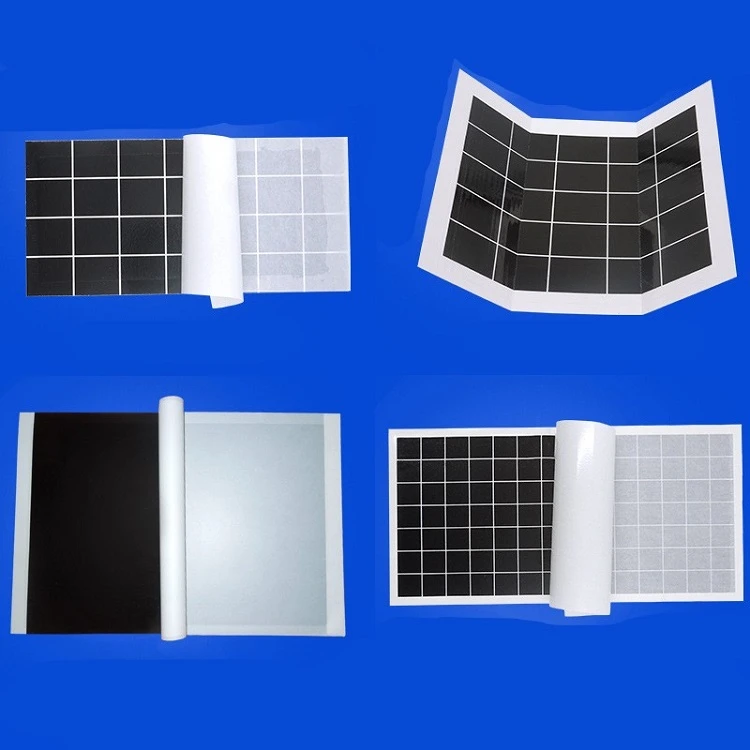
Sticky cards are a completely different animal. The base is polypropylene, usually 0.23 mm thick, with a UV‑stabilized acrylic adhesive. The colour is not decorative-yellow reflects at 550–580 nm, which whiteflies find irresistible, while blue around 450 nm pulls in thrips. I have hung them in tomato greenhouses and left them for three months through rain and 40°C sun; the plastic stayed flat, the glue never melted, and the catch count was still readable. But they are not brute‑force traps. The adhesive layer is thinner and less aggressive than rodent glue-it is meant to hold tiny insects, not to immobilise a vertebrate. Try to use a sticky card for a mouse and the mouse will just walk over it, leaving footprints in the glue, amused.
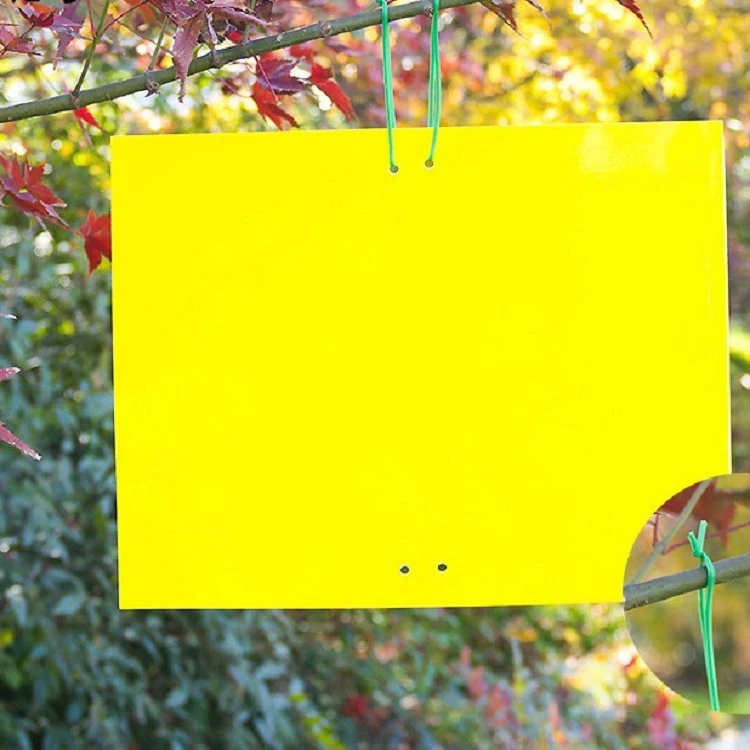
The real headache comes when people mix them up. I once saw a grower put glue boards (the cardboard kind) in his orchard, thinking they would work as monitoring tools. Overnight dew soaked the boards, the cardboard curled into a U‑shape, and the next morning the glue had turned into a milky emulsion that washed off completely. Conversely, a restaurant owner tried to use sticky cards inside his fly‑light trap because they were cheaper per square inch. The cards blocked the UV reflector, reduced the catch by half, and after two weeks the acrylic glue had hardened into a brittle film that no longer held anything.
So here is my rule of thumb: glue boards stay inside, lie flat, and rely on brute adhesive mass to stop crawling or strong‑flying pests near a light source. Sticky cards go outside, hang vertically, and trade raw stickiness for weather resistance and spectral precision. One is a trap; the other is a census tool. If you treat a sticky card like a glue board, you will waste money. If you treat a glue board like a sticky card, you will waste time-and probably end up with a melted mess on your hands. I have cleaned up enough of both to know the difference matters long before you peel off that release liner.


