



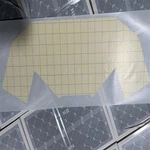
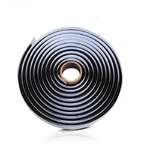
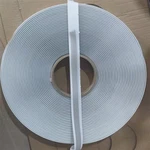


Glueboard Refill For Insect Trap
Glueboard Refill for Insect Trap is a removable adhesive board placed inside insect light traps or monitoring devices. The board is coated with a pressure-sensitive adhesive layer. When insects are attracted by ultraviolet light, they tend to fly toward the source and eventually land nearby. The glue sheet refill is positioned so that insects land directly on the sticky surface.Once contact is made, the adhesive holds them in place.Most glueboards are produced using thick paperboard or rigid cardboard. The adhesive coating is designed to stay tacky for several weeks. It should not dry too quickly, but it also should not flow or spread when temperatures change.In practice, maintenance is very simple. When the board becomes full or loses stickiness due to dust accumulation, it is removed and replaced with a new one. The trap itself remains in place and continues to operate normally.

Characteristics of a Reliable Glueboard
People sometimes assume all Glueboards Refill for Insect Trap are the same, but small details make a noticeable difference during use.
Consistent adhesive coating
The glue must remain sticky long enough to hold insects securely. If the adhesive dries too quickly, insects may escape after landing.
Chemical-free trapping method
Glueboards do not rely on insecticides. Instead, they capture insects through physical adhesion. This is one reason they are widely used in food handling environments.
Low odor and clean use
Unlike sprays or bait products, glueboards do not release fumes. In most cases they have almost no smell.
Quick replacement
Most traps allow the board to slide in or out easily. Staff can change a board within seconds during routine cleaning.
Optional grid markings
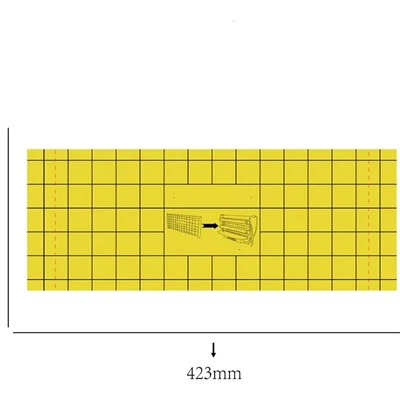
Some boards include printed grid lines. Pest control technicians sometimes use these markings to count insects and monitor activity levels over time.
Where Glueboard Refills Are Commonly Used
You can find glueboard insect traps in many types of buildings.
Food processing plants often install UV traps in production areas to prevent flies from entering sensitive zones. In these environments, chemical sprays are usually avoided, so glueboards become a practical option.
Restaurants and commercial kitchens also rely on these systems. The traps are usually placed away from food preparation surfaces but close enough to attract flying insects.
Retail spaces such as supermarkets sometimes install insect traps near entrances or storage rooms. This helps reduce insects that may enter when doors open frequently.
Large warehouses and logistics centers can also experience fly activity, particularly during warmer months. Glueboards make it easier to monitor and manage the situation without complicated equipment.
Small versions of these traps are even used in homes, especially in kitchens or balconies where insects gather around lights.

A Note About Manufacturing and Supply
For distributors and pest control brands, glueboards are often purchased in large quantities. Because trap designs vary, many buyers prefer suppliers who can produce boards in specific dimensions.
Huizhou Senping Technology Co., Limited is one manufacturer that focuses on adhesive pest control products such as glue traps, sticky boards, and glueboard refills for insect traps.
A large portion of the company's orders involve OEM or customized production. Buyers frequently request different board sizes, adhesive strengths, packaging styles, or private labels to match their own trap models or brand requirements.
Another reason some importers work directly with factory suppliers is cost control. When glueboards are produced at scale, pricing tends to remain more competitive while quality stays consistent. Stable delivery schedules are also important for distributors who sell pest control products year-round.
Frequently Asked Questions
How often should glueboards be replaced?
In many indoor environments, replacement every four to eight weeks is common. In places with heavy insect activity, the boards may need to be changed sooner.
Do glueboards contain poison or pesticides?
No. They normally rely only on adhesive to capture insects.
Are glueboards suitable for food environments?
Yes. Because no chemicals are involved, they are commonly used in food factories, restaurants, and packaging areas.
What insects are usually captured?
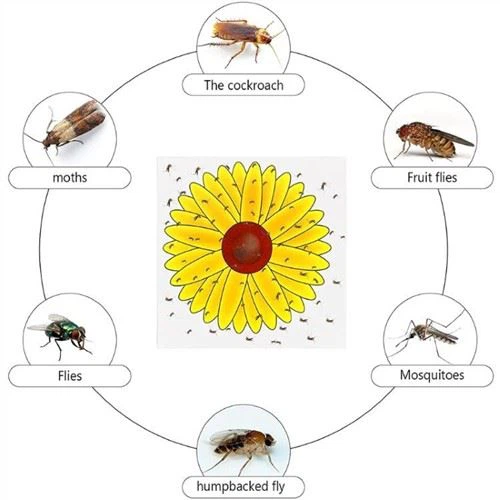
They are mainly designed for flies, moths, and other small flying insects attracted to light traps.
Can glueboards be customized?
Yes. Many manufacturers can produce boards in different sizes or shapes to match various insect trap designs.
Final Thoughts
Glueboard Refill for Insect Trap may appear to be a minor accessory, but it is essential for keeping insect traps working properly. Regular replacement ensures that traps continue to capture insects effectively while maintaining a simple, chemical-free control method.
For businesses that rely on insect monitoring-whether in food production, retail, or hospitality-having a steady supply of properly made glueboards is just as important as the trap itself.
Hot Tags: glueboard refill for insect trap, China, suppliers, manufacturers, factory, customized, wholesale, buy, cheap, quotation, low price, for sale, Cockroach Trap, Fly Glue Catcher, Gnat sticky paper, House mosquito trap, Moth paper, white flies trap
Previous
No InformationYou Might Also Like




Send Inquiry